What We Do
Conserve
Water Conservation in Big Sky
Water conservation is the most cost-effective and environmentally friendly way to thrive through drought, stretch water supplies, and protect the Gallatin River. Simply adjusting your irrigation schedule can increase water conservation and reduce up to 65% evaporative losses from landscape applied water. There are many other ways to conserve water, and we’re here to help!

The Water Conservation Program
You can help Big Sky become a model mountain community by protecting and improving water resources, sustaining the ecological health of the watersheds, and supporting a vibrant local economy through simple changes made at home:

Indoor Rebates
The Task Force offers cash back to Big Sky residents and businesses that prioritize water savings by installing water-efficient toilets, shower heads, clothes washers, and more!

Outdoor Rebates & Services
Residents and businesses can receive one on one support from our conservation staff who can conduct an irrigation audit, recommend water saving landscape improvements, and connect you to rebates.

Turf Conversion
Transform your landscape with turf conversion—the first step in creating a water-wise, fire-safe, and ecologically friendly yard designed to thrive in our region.
Advocacy & Partnerships
Through a locally-driven, stakeholder-lead process, the Task Force is working to build a drought resilient community, safeguard drinking water supply, and protect our greatest asset, the Gallatin River.

Water Conservation Plan
Whether it’s supporting restoration efforts, maintaining your septic system, planting native, or picking up dog poop, there are several ways individuals and groups in our community can help.
Read the Executive Summary [PDF]

Drought Dashboard
Explore the Drought Dashboard »

Alpenscapes
Alpenscapes is Big Sky’s go-to resource for creating appealing, alpine-appropriate, landscapes that are water-wise, fire-safe, and ecosystem friendly.
Gallatin DDAMP
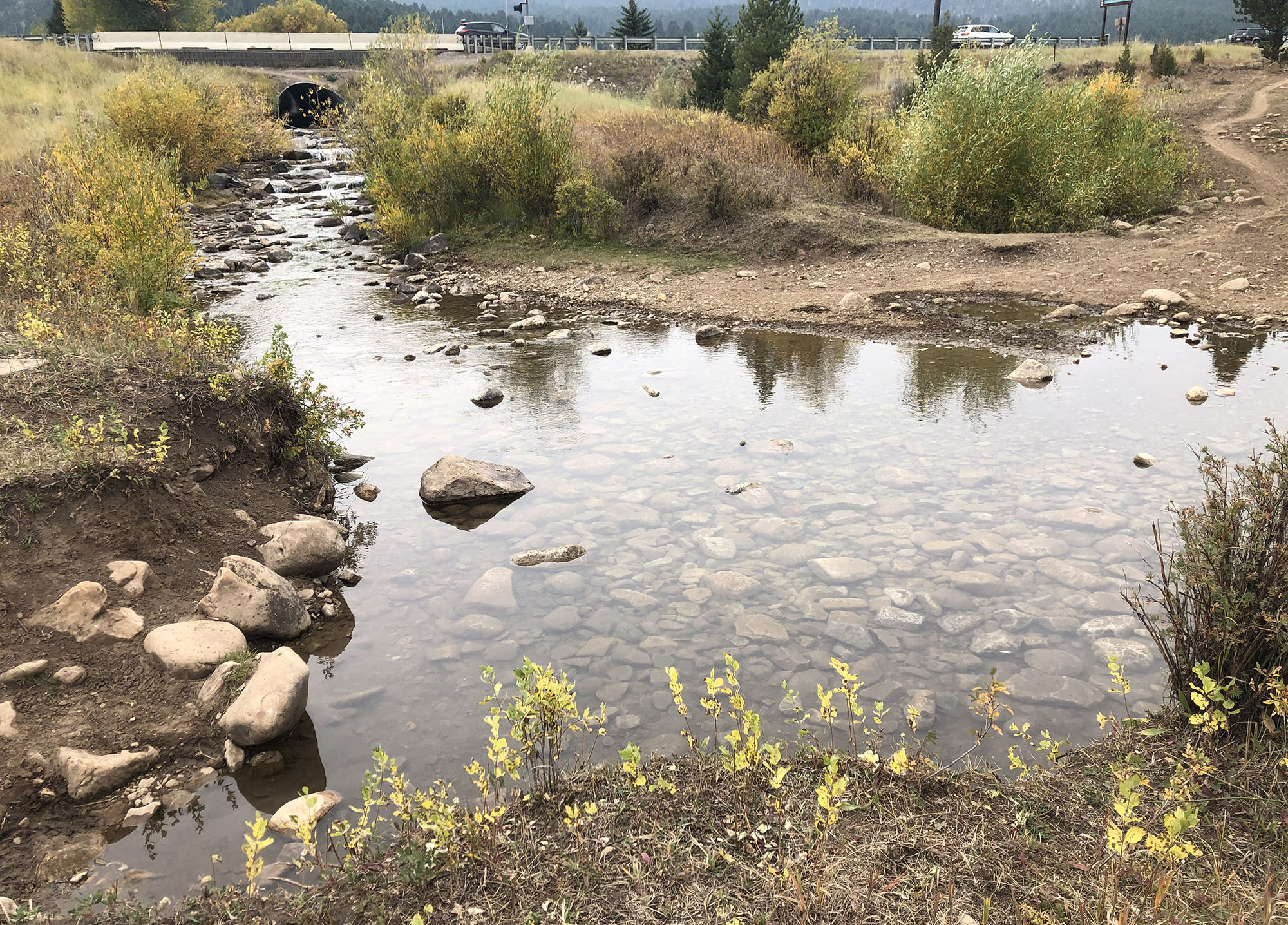
In 2021, the multi-stakeholder Gallatin Water Collaborative convened the Gallatin Drought and Deluge Adaptive Management Plan, or DDAMP (pronounced “damp”), to improve drought and flood communication, coordinate voluntary conservation efforts, and identify long-term projects that strengthen the resilience of our communities, farms, businesses, and rivers.
Learn more about DDAMP »
Water Conservation FAQ
What drives the water supply in Big Sky?
Snowmelt drives water supply in Big Sky. The snow that accumulates throughout the winter is what, recharging groundwater that feeds the Gallatin River, and provides water for public consumption and downstream agriculture all summer long, until the next winter. Shifting climate patterns show reduced snowpack, earlier snowmelt, lower later-season streamflows, and more frequent periods of droughts. Efficient and conservation-minded water use is imperative as Big Sky continues to grow, water demand increases, and our water supply becomes less reliable.
Why do I need to save water?
Big Sky is drought prone – meaning we are susceptible to long periods of no or limited precipitation and high temperatures. This alone can threaten water supply – but added pressure from a growing community and booming tourism makes it even more difficult for our supply. Water conservation is one of the most effective ways to protect water supply to keep Big Sky thriving and in the Gallatin River flowing strong.
I’m on a private well, so I don’t need water conservation, right?
Not so simple! While yes your individual well may not be at risk of drying up, all our water ultimately comes from the same source. Underneath Big Sky is an aquifer – basically a giant, natural storage tank that holds our groundwater – aka our drinking water supply and the water that fuels the Gallatin River. No matter where your well is, or how many people are on it – we are all pulling from the same groundwater source. So every home – regardless if you are on a central water line or a private well – can participate in water conservation.
What are the best ways for me to save water?
We know through data from our local Water & Sewer District, as well as national reports, that landscaping is the number one source of wasted water in Big Sky. So, we recommend going native and water-wise. Native plants use far less water than traditional turfgrass (otherwise known as sod). In addition to water – they’re great for our local wildlife! Check out our outdoor rebates and services here.
However – we like to say – every drop counts when it comes to water conservation. So don’t skip out on all the great ways to save water inside your home as well!
How are we in drought when it has rained/snowed recently?
Drought is a complex phenomenon that is determined by far more than precipitation. Other factors such as streamflows, temperature, soil moisture, snowpack, and historical data all play an important role in determining drought status. While rain or snow can temporarily release the feeling of drought by lowering temperature, temporarily increasing streamflow, or keeping smoke at bay; it is often not enough to change drought status – especially when other key factors are staying the same. Learn more about Big Sky drought conditions through our Drought Dashboard.
What is Alpenscapes? What does it have to do with the Water Conservation Program?
Alpenscapes is a partnership between the Task Force, Grow Wild, the Big Sky Fire Department, and Big Sky Sustainability Network Organization dedicated to creating water-wise, fire-safe, and ecosystem resilient landscapes. Big Sky is a unique place where our landscaping is directly tied to the health of our ecosystem, community safety, and water supply. Alpenscapes is a partner-led program that acts as a one-stop-shop for all your landscaping needs so that your landscape can be saving water – while doing a whole lot of other good for our community.
Why is turf (or sod) bad?
Turfgrass/sod is often composed of Kentucky bluegrass and other non-native grasses. While that perfectly manicured green lawn might look pleasing, this type of grass is highly water intensive when compared to native grasses and other plants. Native plants are accustomed to drought-prone climates like ours, so they need little water to survive. In addition to using less water, native plants can be great for local wildlife and pollinators, are better for soil health, and can still offer a great curb appeal!
I’m visiting from out of town, how can I help save water?
Thanks for caring about our local resources! Some great ways to save water when you visit include shortening shower times, not letting the faucet run when brushing your teeth or doing dishes, only requesting laundry and turnover service at your hotel/rental when you need it, and declining water at restaurants if you don’t actually want it.
And when you get back home, we encourage you to look into your communities own water conservation programs!
The Voice of the Gallatin River
Water Conservation News


Program Partners & Contributors


